Begin with the job to be done
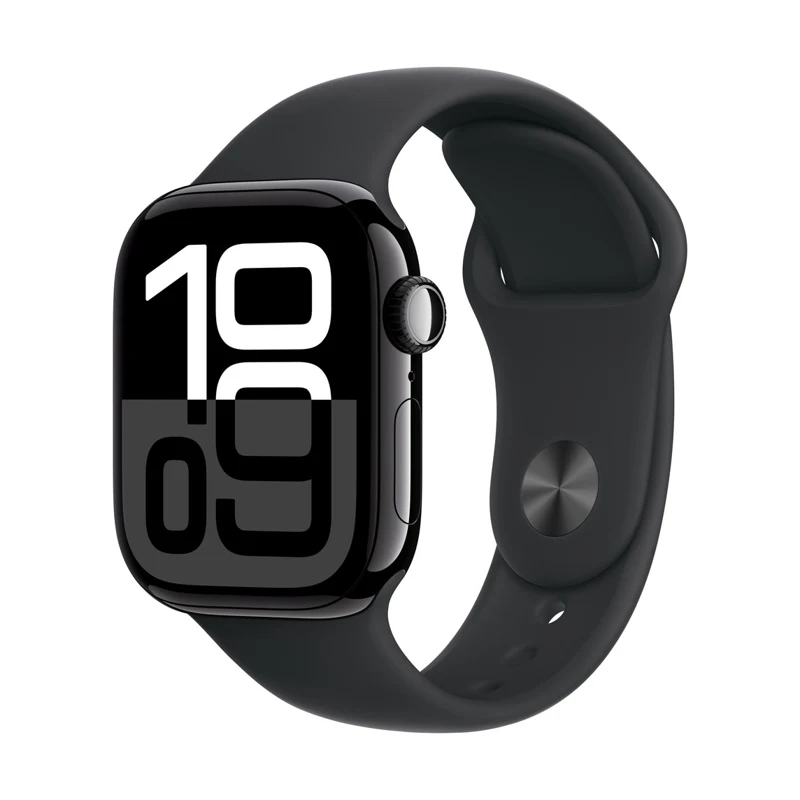
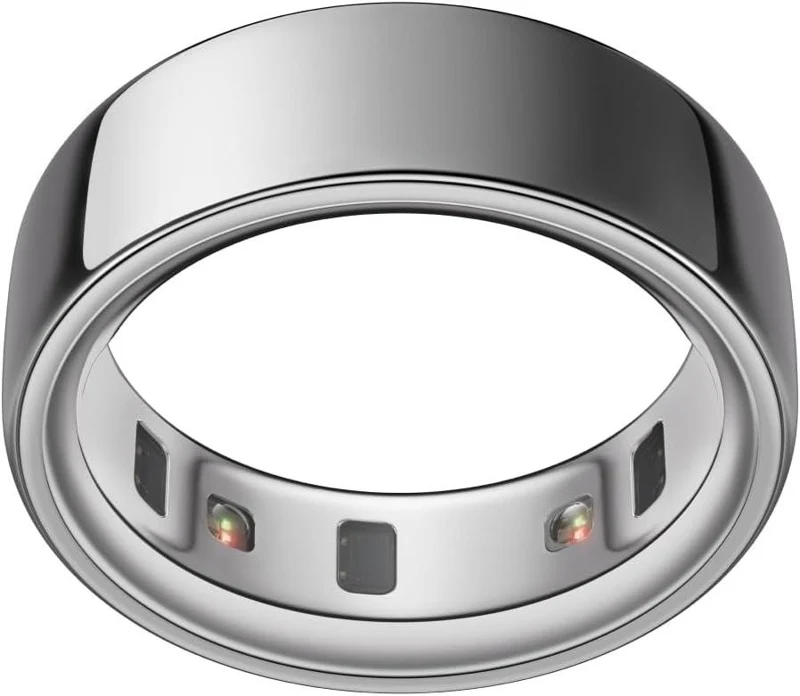
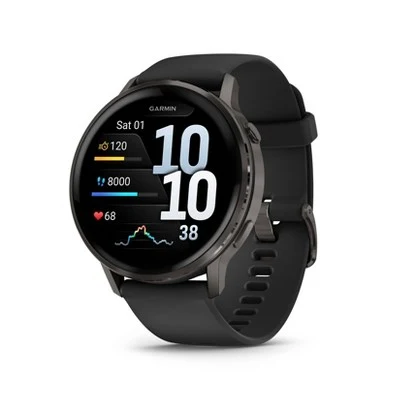
Choose a smartwatch when a wrist display and GPS are central to your day. Choose a smart ring when unobtrusive sleep and recovery context matter more than on-device interaction. A simpler fitness tracker can be the better fit when basic activity feedback is enough.
Match the form factor to your habits
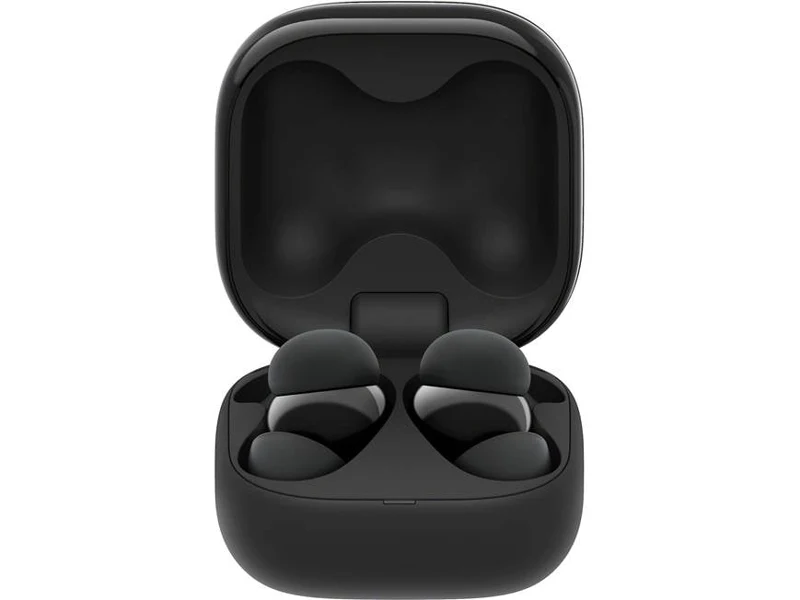
A watch asks you to wear a screen on the wrist, while a ring removes the display and depends on correct sizing. Earbuds solve a different need: they add audio, calls, and listening controls rather than replacing a health wearable.
Read battery claims as scenarios
Battery figures are useful only with their conditions. Always-on displays, GPS activity, music, and charging-case totals can change what a number means in practical use.
Count ongoing costs and maintenance
A purchase may involve a membership for full features, a sizing step, replacement bands, or charging accessories. Budget for the ownership model, not just the device category; editorial budget tiers are not live prices.
Set your privacy baseline first
Before connecting an app, review the account, health-data, location, sharing, and export settings that apply to your device. Keep only the permissions you need, and revisit them after app updates.
Our guides are based on published manufacturer information and editorial judgment, not hands-on testing. For product-specific details, follow the manufacturer sources on our product pages. Wearable wellness estimates are not a diagnosis.